From €40,000+ a year in water damage to leaks stopped automatically
How a facility operator turned recurring, expensive leak incidents into a 24/7 monitored, self-defending water system — built with Widgelix and the GreenMesh LoRaWAN Network Server, delivered by a local integration partner.
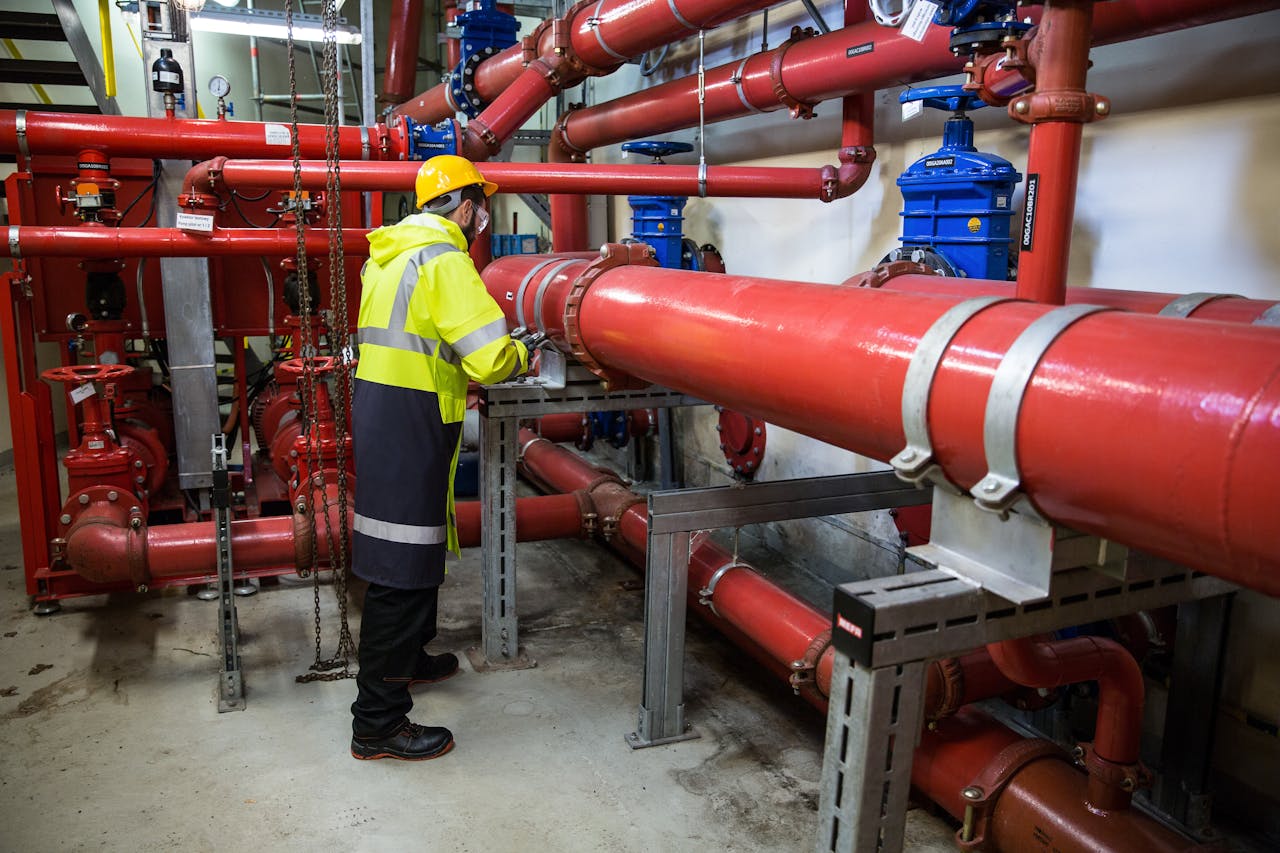
The real cost of a leak isn't the leak. It's the delay.
The client operated a facility where leaks weren't constant — just frequent enough to bleed money every year. The damage rarely came from the leak itself, but from how long it ran before anyone noticed.
in repairs, restoration, emergency labor, and disruption — often from leaks that started small and spread before anyone reacted.
This is a problem where monitoring speed beats visual inspection every time.
The setup
non-identifying client contextOne system, assembled from the right parts
A certified integration partner built a complete detection-and-mitigation solution — and chose the best device for each location instead of forcing one sensor type everywhere.
From a wet sensor to a closed valve — automatically
This is what turns leak detection from a passive notification into an active damage-control workflow.
What the client got
The solution delivered because it combined three things that are usually fragmented: reliable connectivity through the LNS, flexible multi-vendor device integration, and practical automation logic in Widgelix. The client didn't just get sensor data — they got a complete operational process, from detection to automatic response.
“The solution is flexible, practical, and easy to scale to new zones and sites.”
Where this solution earns its keep
Prevent water damage before it becomes a repair project.
If you're dealing with recurring leaks, after-hours water damage, or expensive repair cycles, we can implement the same kind of solution for your site — real-time alerts and automatic shut-off, built on Widgelix and the GreenMesh LoRaWAN Network Server.
- A walkthrough of your site's risk zones
- The right sensor + shut-off setup for each area
- A pilot-first plan that scales to more zones and sites